0h
Cultures fed
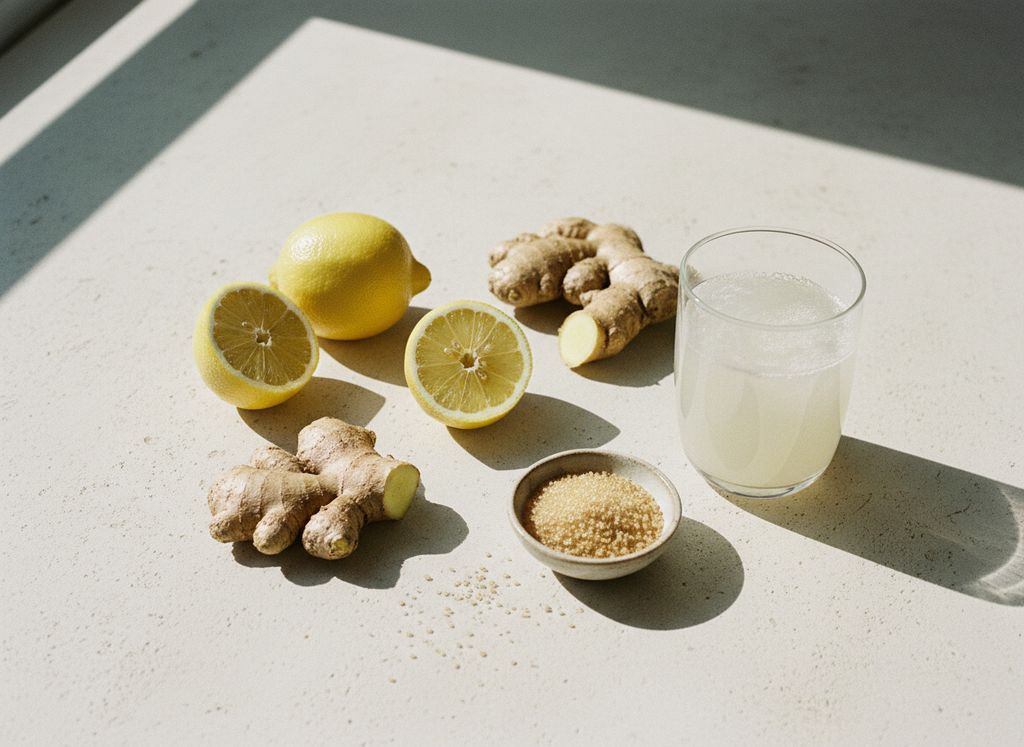
Cultures into sweetened water with the fruit or root for that batch.
A lightly sparkling fermented drink, made by leaving live kefir cultures in sweetened water for several days. Not tea. Not dairy. Ours ferments 96 hours in Ballinrobe, Co. Mayo.
A lightly sparkling fermented drink.
Four things. Water, sugar, live kefir cultures, and whatever the batch is flavoured with - in our case organic fruit or root, added at the start rather than the end.
The sugar isn’t there for sweetness. It’s what the cultures feed on. Four days works through most of it, which is why a finished bottle tastes dry.
Water kefir starts with what are called grains. The name is misleading -
they aren’t grain, and contain no gluten.
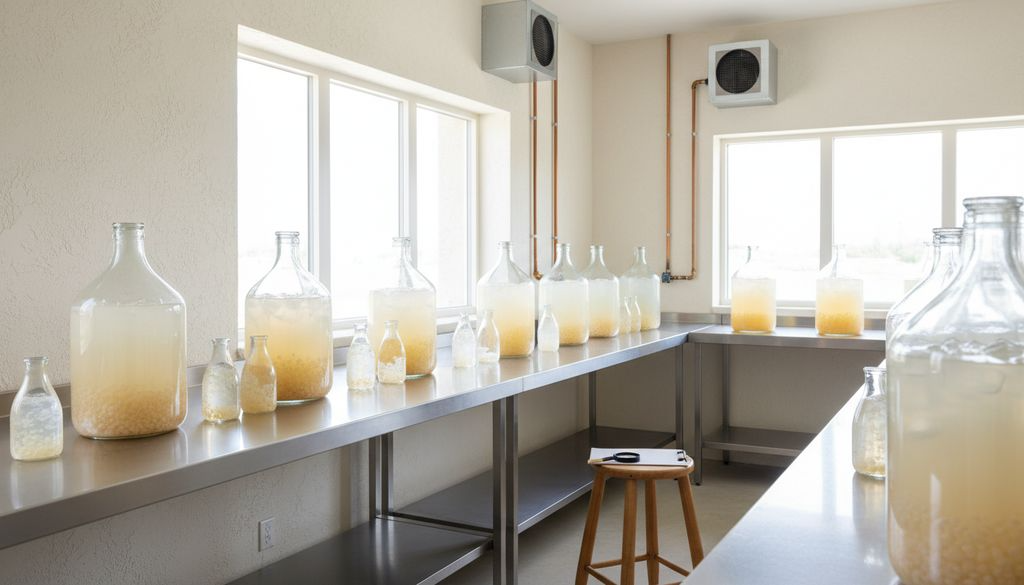
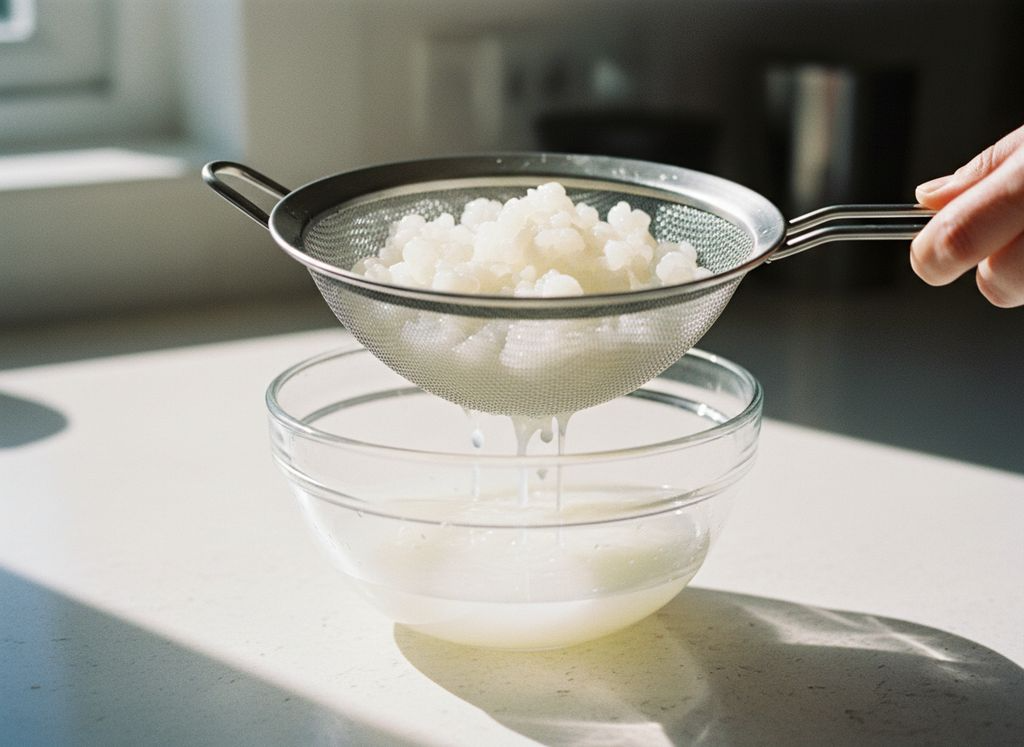
They’re small, translucent, jelly-like clusters. A living colony of bacteria and yeasts that holds itself together in a structure of its own making, which is what gives them that crystal look in the jar.
Put them in sweetened water and they get to work. Over four days they feed on the sugar, producing acids, carbon dioxide, and the clean tartness that makes water kefir taste like what it is. Cared for properly, the same culture keeps going indefinitely, and grows as it goes.
They’ve been used for a very long time, under a lot of names. Tibicos in Mexico. Tibi. Sugar kefir grains. Japanese water crystals. California bees. Where they first came from is genuinely unsettled - the Caucasus, Tibet and Mexico are all in the running. And because the cultures adapt to wherever they’re kept, no two are quite the same anywhere in the world.
Ours live in Ballinrobe.
Fermentation is one of the oldest ways of preparing food and drink. Cultures feed on the sugars in a food and change it as they go, producing acids and gases along the way. It’s what gives sourdough its tang, sauerkraut its sharpness, and water kefir its fizz.
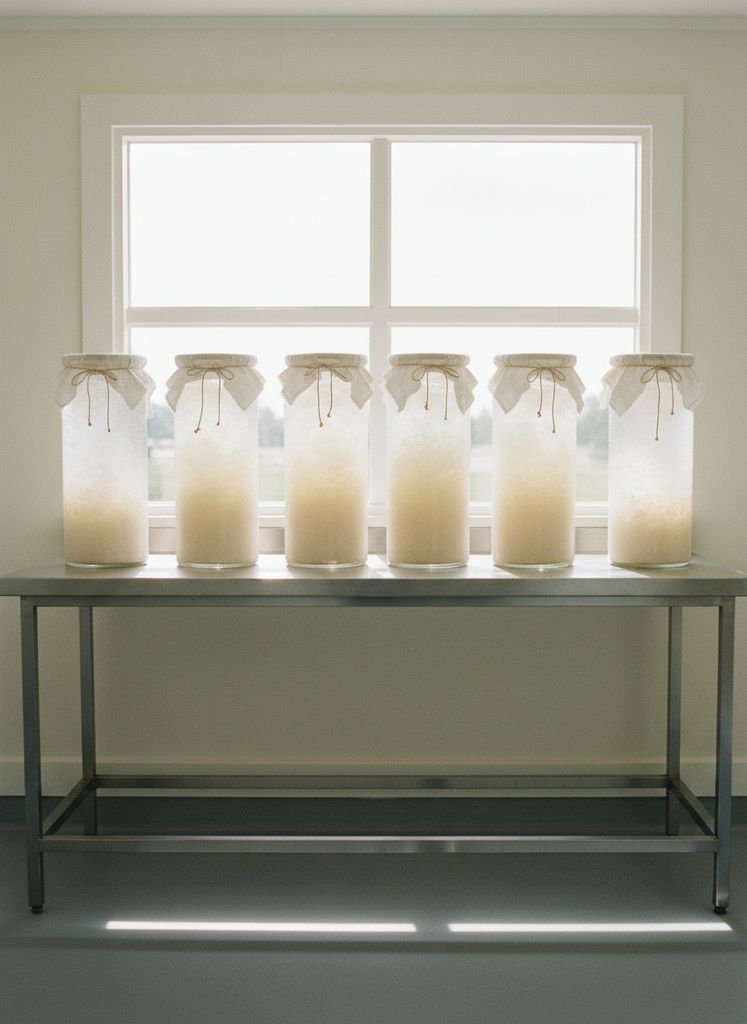
Water kefir uses kefir cultures rather than tea or milk. Over 96 hours they work through the sugar in the batch, leaving a drink that’s lightly carbonated, gently tart, and unpasteurised - the cultures remain present when it’s bottled.
We don’t heat-treat it at the end, because that would undo the four days that came before it.
Fermented, not flavoured.
0h
Cultures into sweetened water with the fruit or root for that batch.
48h
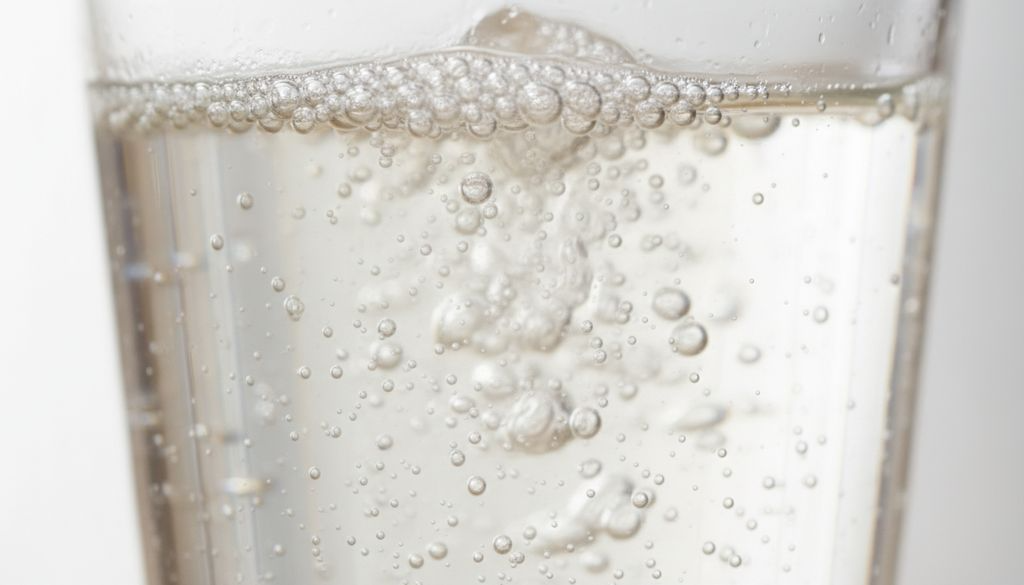
Over 96 hours they work through the sugar in the batch, leaving a drink that’s lightly carbonated and gently tart. The bottle is sealed, so the carbon dioxide the cultures produce has nowhere to go. That’s the fizz.
96h
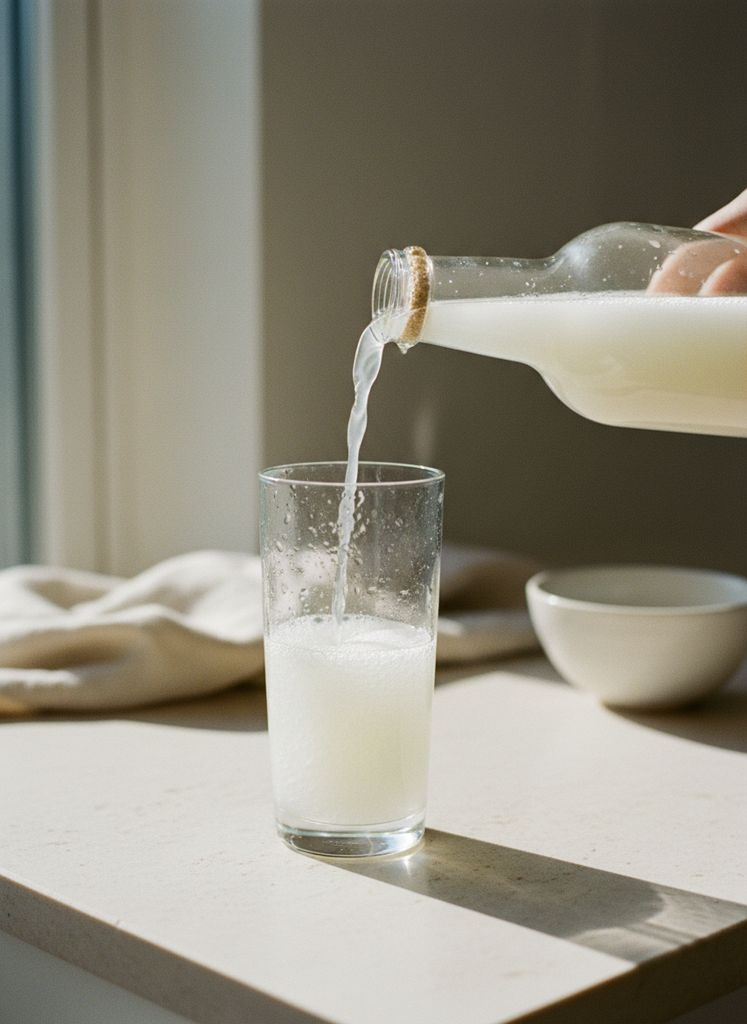
Then bottled and chilled. No heat treatment. No filtering clear. No carbonation added afterwards.
Both are called kefir. Both are fermented with live cultures. They’re different products made from different things.
Say “kefir” on its own and most people mean milk kefir. Water kefir is the dairy-free one.
Ferments plain sugar water with different cultures. Lighter, cleaner, caffeine-free.
Ferments sweetened tea, which is where its caffeine comes from, and its culture produces more acetic acid - the vinegary note people either like or don’t.
In at the start to feed the cultures, mostly gone by the end. The residual figure for each flavour is on the label and on each product page.
Fermentation produces a trace amount, as any live ferment does. Water kefir is sold as a soft drink, and every batch stays within the legal limit for one.
None, in any flavour. No tea at any stage.
Normal. Unfiltered and alive.
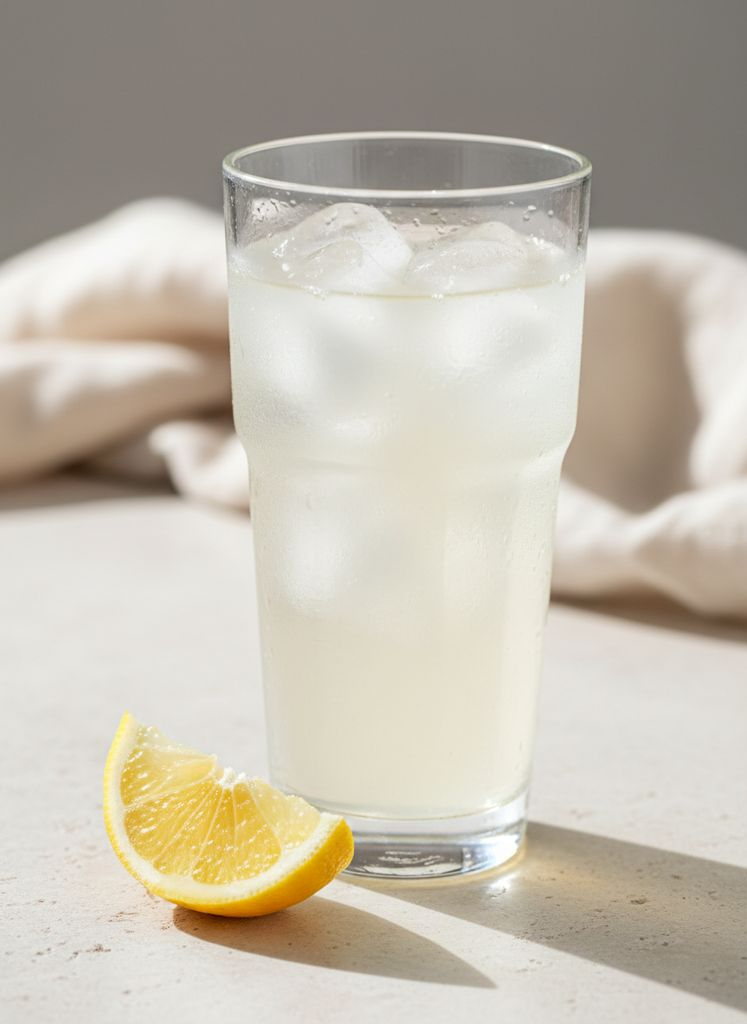
Dry, clean, slightly tart, with a fine carbonation rather than a hard fizz. Closer to a dry sparkling drink than a soft drink. The flavour sits on top of that base rather than replacing it.
Used to sweet soft drinks? It takes a bottle to adjust. Used to kombucha? It’ll seem noticeably gentler.
Cold, from the fridge, in a glass. Open it slowly over a sink - the gas is made in the bottle and can build. Once one’s open, drink it that day.
Beyond that there’s no method. Find the flavour that’s yours and keep a few cold.
Water kefir is unpasteurised and contains live cultures. If you’re pregnant or breastfeeding, immunocompromised, or managing a medical condition, have a word with your GP or pharmacist first.